Roof Ventilation and Condensation
By the Quantock Roofing team · Updated 14 June 2026
Condensation in the roof space is one of the most misdiagnosed roofing problems - it can look exactly like a leak. Understanding ventilation helps you tell the difference and fix the right thing.
Why roofs need to breathe
Warm, moist air from the house rises into the roof space. If it can't escape, it condenses on cold timbers and the underside of the covering - leaving damp, drips and even mould. Ventilation lets that moist air flow out before it condenses.
Condensation or a leak?
Condensation tends to appear as general dampness across the loft, often worse in cold weather and after still nights, rather than a single drip that tracks with rainfall. A leak usually follows the weather. They can look similar, so it's worth checking which you actually have before sealing anything.
How it's improved
Ventilation can be improved in several ways, depending on the roof:
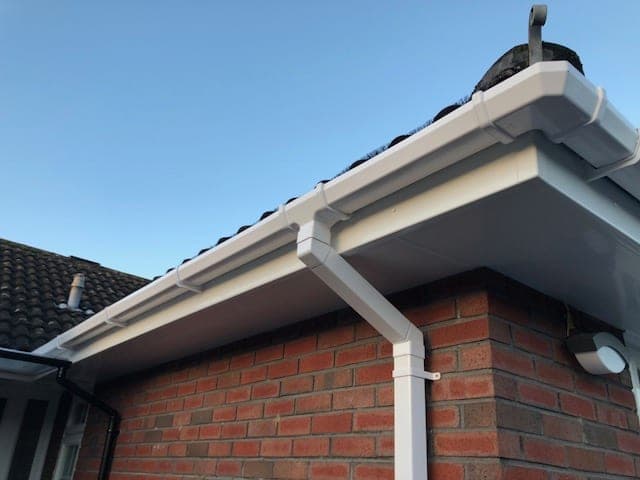
- • Ventilated soffits to draw air in at the eaves
- • Ridge ventilation (including ventilated dry ridge) to let it out at the top
- • Tile and slate vents where needed
- • Breathable membrane on a re-roof