Dry Ridge and Dry Verge Explained
By the Quantock Roofing team · Updated 14 June 2026
If you've been told you need 'dry ridge' or 'dry verge' work, here's what it means in plain English - and why it's now standard practice on new and re-roofed homes.
Why mortar fails
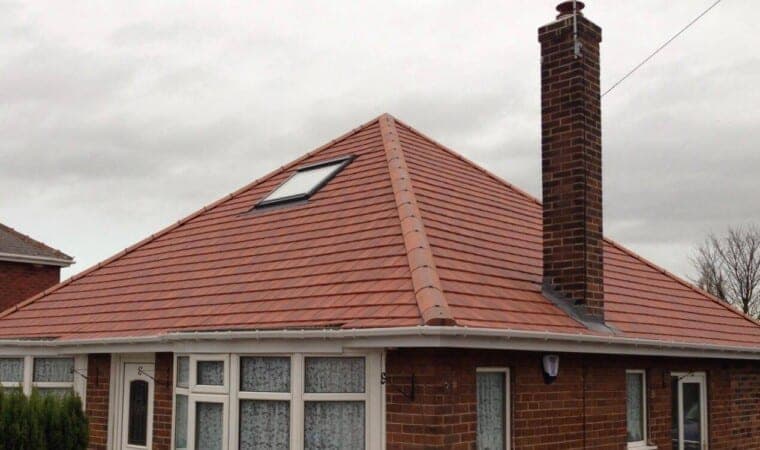
Traditionally, ridge tiles (along the top of the roof) and verge tiles (at the gable edges) were bedded on mortar. Over the years that mortar cracks, washes out and crumbles, letting tiles work loose and water and wind get in. Re-pointing it is a recurring maintenance job.
What dry systems do
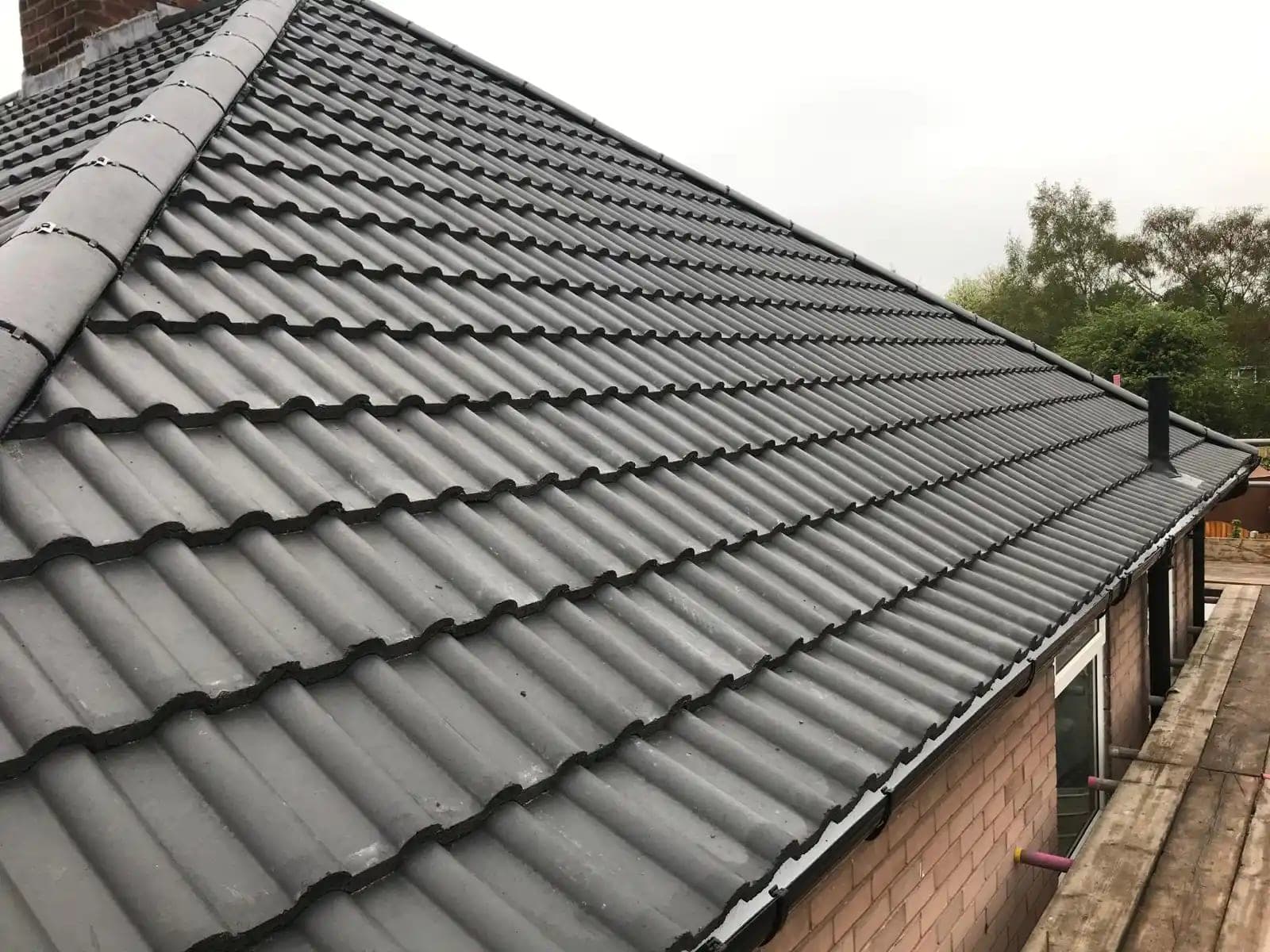
Dry ridge and dry verge replace the mortar with mechanical fixings - screws, clamps and ventilated rolls or caps. The tiles are held firmly without any mortar to fail. Dry ridge also provides ventilation along the top of the roof.
The benefits
Compared with mortar, mechanically-fixed systems offer:
- • Better resistance to wind and weather
- • Much lower maintenance - no re-pointing
- • A neat, uniform appearance
- • Ventilation benefits (dry ridge)
Is it right for my roof?
Dry systems suit compatible tile types, which we confirm by inspection. They secure and ventilate the ridge and verge - they won't fix unrelated structural problems elsewhere on the roof, and we'll always be clear about what they do and don't solve.